Understanding the Principles of Slow Tourism
As the world becomes increasingly aware of environmental impacts, slow tourism has emerged as a compelling alternative to conventional travel practices. This article delves into the principles of slow tourism, emphasizing its significance in promoting sustainable travel and the role of local guides in enhancing the experience.
What is Slow Tourism?
Slow tourism is a travel philosophy that prioritizes meaningful experiences over fast-paced itineraries. According to research, travelers who engage in slow tourism often report higher satisfaction levels, as they immerse themselves in local cultures and environments. This approach encourages deeper connections and a greater appreciation for the places visited.

"Slow tourism allows travelers to savor their journeys, fostering a greater sense of connection with the environment and local communities." - Travel Industry Expert
The Core Principles of Slow Tourism
Slow tourism is built on several foundational principles:
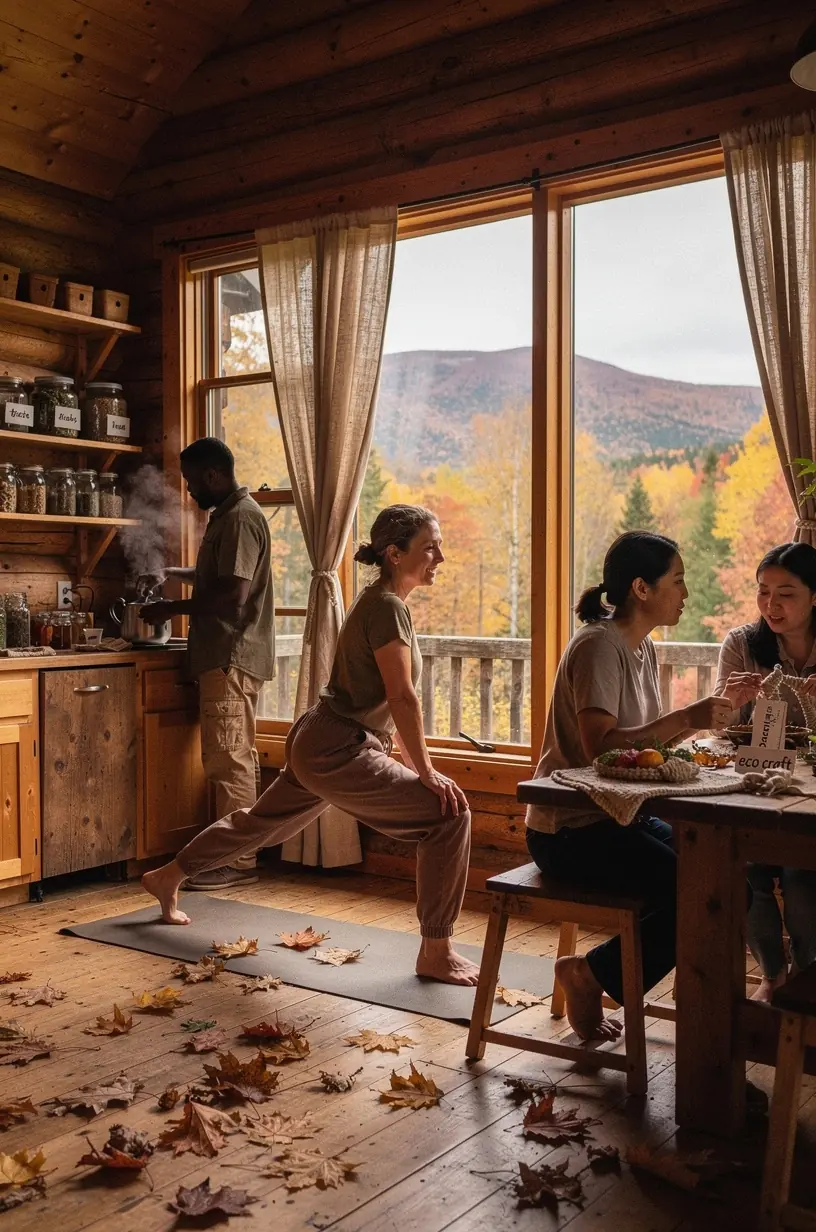
- Mindfulness: Travelers are encouraged to engage fully with their surroundings, rather than rushing through attractions. This mindfulness enhances their overall experience.
- Connection with Nature: Slow tourism often involves eco-friendly practices, such as hiking, cycling, or utilizing public transportation, which helps minimize the carbon footprint.
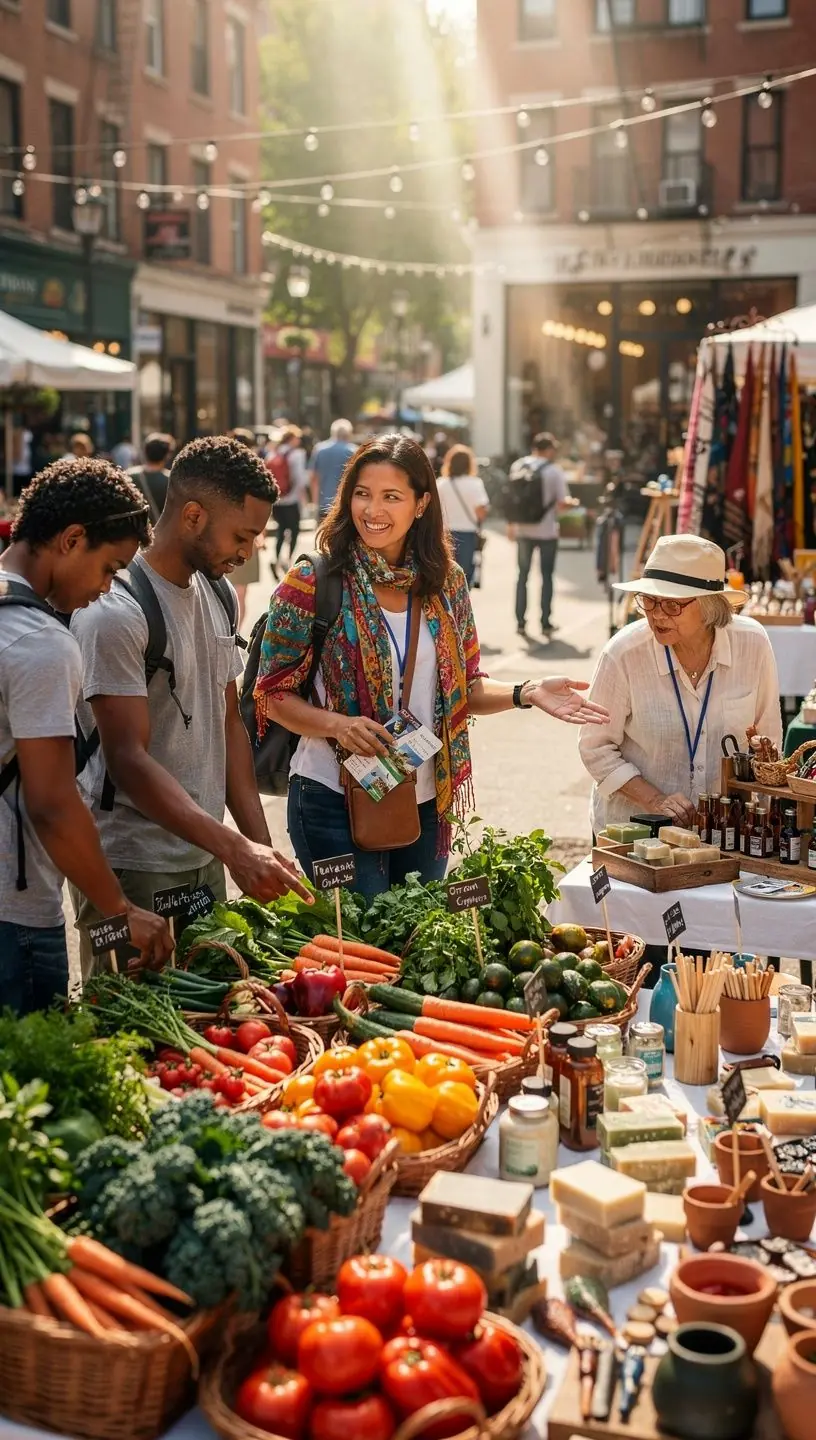
- Support for Local Economies: By working with local guides and businesses, slow tourism fosters economic sustainability, benefiting the communities visited.
How to Embrace Slow Tourism
To effectively incorporate slow tourism into your travel plans, consider the following steps:
- Choose Destinations Wisely: Opt for locations that promote sustainable practices and have a strong emphasis on cultural heritage.
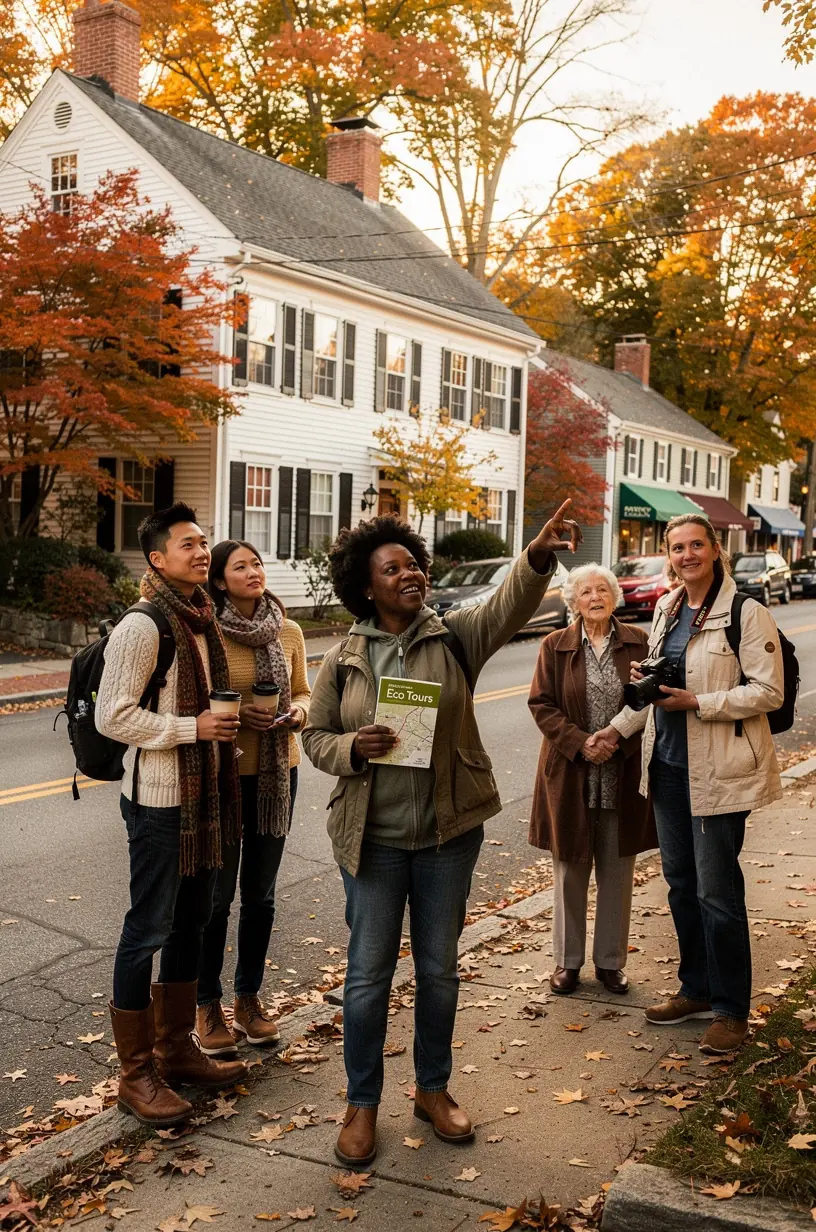
- Engage Local Guides: Traveling with local guides not only enriches the experience with insider knowledge but also ensures that a portion of your travel spending supports the local community.
- Plan for Longer Stays: Instead of a whirlwind tour, plan for extended stays in one place. This approach allows for deeper exploration and a more relaxed pace.
Challenges and Considerations
While slow tourism offers numerous benefits, it is essential to acknowledge some challenges:
- Implementing slow tourism practices may require a shift in mindset for those accustomed to fast-paced travel.
- In some cases, accessing remote areas may demand more time and effort, which may not suit all travelers.
- Slow tourism often entails a commitment to environmental responsibility, which can pose logistical challenges.
Conclusion
Slow tourism presents a viable pathway for travelers seeking sustainable and fulfilling experiences. By prioritizing local engagement and environmental stewardship, individuals can contribute to the well-being of the destinations they visit. As more travelers embrace this philosophy, it may lead to a positive shift in the travel industry, promoting practices that genuinely respect the places and people involved.