
Exploring Eco-Friendly Accommodations in the US
Traveling sustainably is not just a trend; it's a necessity for preserving our planet. In this article, we will explore eco-friendly accommodations across the United States that promote sustainable practices and offer enriching experiences through local guides.
Understanding Eco-Friendly Accommodations
Eco-friendly accommodations are establishments that prioritize sustainability in their operations. This typically includes using renewable energy sources, minimizing waste, and supporting local communities. According to a report by the Global Sustainable Tourism Council, accommodations that adhere to sustainable practices can reduce their environmental footprint significantly. Many experts recommend looking for certifications like Green Key or LEED to identify properties committed to eco-friendly practices.
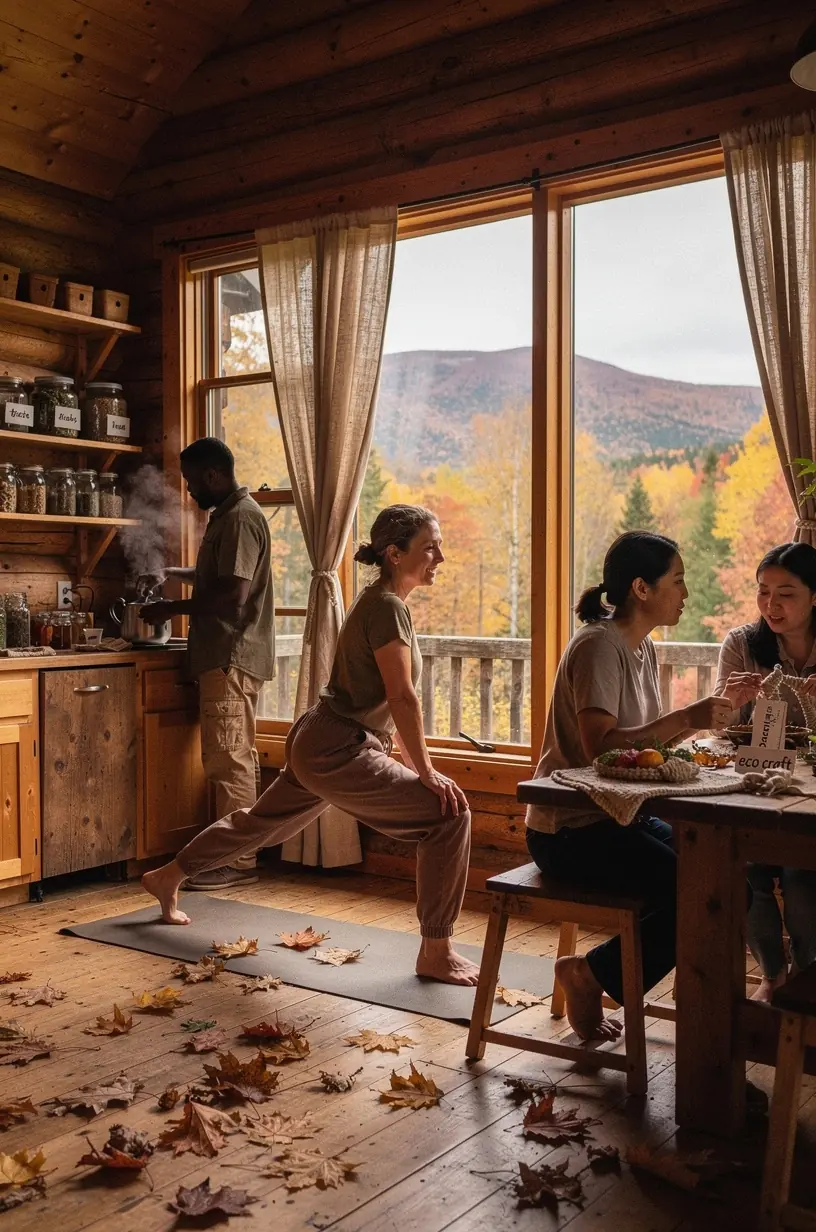
"Sustainable tourism is a powerful tool for conserving our environment and enriching communities."
Types of Eco-Friendly Accommodations
When exploring the US, travelers can find a variety of eco-friendly lodging options:
- Eco-Resorts: These often feature renewable energy systems and locally sourced food. They provide a luxurious yet sustainable experience.
- Glamping Sites: Combining the beauty of nature with the comforts of home, glamping typically involves luxurious tents or yurts in scenic locations.
- Local Guesthouses: These small accommodations prioritize community engagement and often include local guides who can provide unique insights into the area.
Why Choose Eco-Friendly Accommodations?
Choosing eco-friendly accommodations can have several benefits:
- Environmental Impact: Staying in eco-friendly hotels can help reduce your carbon footprint. Research suggests that accommodations with green certifications often use up to 30% less energy than traditional hotels.
- Community Support: Many eco-friendly lodgings support local economies by sourcing food and services from nearby businesses, helping to sustain local livelihoods.
- Unique Experiences: Engaging with local guides provides travelers with a deeper understanding of the area’s culture and environment, which enriches the travel experience.
Challenges and Considerations
While eco-friendly accommodations offer numerous benefits, they also come with certain challenges:
- Availability: Not all regions have a wide selection of eco-friendly options, which can limit choices for some travelers.
- Price Variability: Eco-friendly accommodations may sometimes be more expensive than traditional options, although this can vary widely based on location and amenities.
- Expectations: Guests should be prepared for varying levels of amenities, as some eco-lodges prioritize sustainability over luxury.
Conclusion
Incorporating eco-friendly accommodations into your travel plans can contribute positively to the environment and local communities. By choosing these options, travelers not only enjoy unique experiences but also support a growing movement toward sustainable tourism. Remember that research indicates that the impact of your travel choices can be significant, and opting for environmentally conscious accommodations is a step in the right direction.
Learn More